
How to get rid of stinging insects
Wasps can become aggressive when disturbed, especially if a nest is nearby. Nests are commonly found in lofts, wall cavities, or garden sheds. We offer safe, fast removal with minimal disruption, ideal for families and businesses alike.
Sick of cleaning up bird droppings every day?
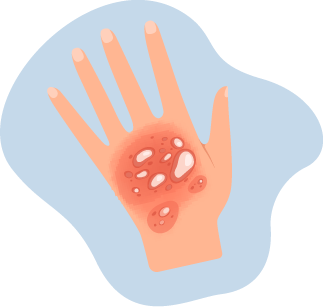
Painful stings

Property damage
Allergic reactions
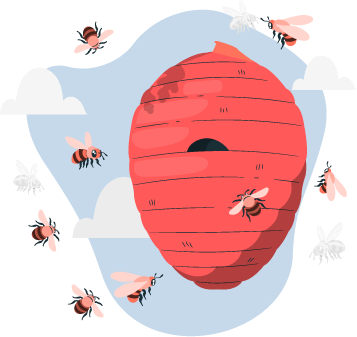
Swarms and nests
Our way. The right way.
Investigate
We start with a careful inspection of your property, inside and out, to locate any wasp, hornet or bee nests, entry points and areas where stinging insects are active or likely to build in future.
Protect
Your Pestpatrol technician will safely treat and remove accessible wasp and hornet nests using professional products and methods, keeping people and pets away from risk while the treatment takes effect.
Fortify
We help reduce the chance of future nests by pointing out gaps, cavities and other problem areas, and advising on sealing, repairs and housekeeping so your home is less attractive to stinging insects.
Keep watch
We explain what to look out for, such as increased flying activity around rooflines, sheds or soffits, and ask you to contact Pestpatrol straight away if you notice a new nest forming.
Report
After each visit you receive a clear written report setting out what we found, what we have done and any recommendations to help keep your property free from wasp and hornet nests.
Follow up
If there is any ongoing activity or you have concerns after treatment, we can arrange follow up visits and are on hand to respond quickly to any urgent issues that arise.
Frequently asked questions
Common stinging insects around homes in the UK include wasps, hornets, bees and some types of ant. Most will only sting when they feel threatened or are defending a nest, but that can still mean painful stings and a risk of allergic reactions.
In and around British homes, wasps and hornets generally deliver the most painful stings and can sting multiple times. For people with allergies, even a single sting from a wasp, hornet or bee can be serious and may need urgent medical attention.
Honey bees have barbed stingers that often stay lodged in the skin after a sting, which is why they can usually sting only once. Wasps and hornets have smooth stingers, so they do not leave them behind and can sting repeatedly.
The cost of treating a wasp or hornet nest depends on factors like nest location, height and how easy it is to reach safely. Pestpatrol offers clear, upfront pricing for wasp and hornet control in London, so the best way to get an accurate cost is to contact us for a quick quote or survey.
Honey bees normally sting only once because their barbed stinger tears away from the body and is left in the skin, killing the bee shortly afterwards. Wasps and hornets do not have this problem and can sting several times in one attack.
If you can see a stinger left in the skin, it was most likely a honey bee; wasps and hornets usually do not leave the stinger behind and can be more aggressive, often seen circling or returning after the first sting. Yellow and black banding and rapid, jerky flight often point to wasps, while larger, louder insects with broader bodies are more likely to be hornets, but if you have a strong reaction you should always seek medical advice rather than trying to identify the insect yourself.
Professional pest controllers such as Pestpatrol use specialist insecticidal dusts or sprays applied directly to the nest or entry point, usually at dusk or dawn when most insects are inside. Once the treatment has taken effect and activity has stopped, the old nest can be removed if it is safely accessible, reducing the risk of future problems in that spot.