
Bed bug treatment services in London
Do it yourself methods rarely clear a bed bug infestation and can even make the problem worse. Contact Pestpatrol so a professional technician can treat the issue properly and help you get a good nights sleep again.
Treatment for bed bugs
Do bed bug home remedies work?
Do bed bug sprays work?
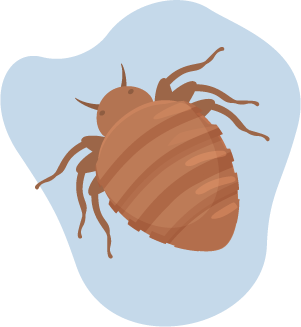
What is the best bed bug treatment?
Looking to protect your business?
With years of experience providing expert pest control services to every size and type of business, you can trust Pestpatrol with yours.
Our way. The right way.
Investigate
Contact Pestpatrol as soon as you notice any signs of bed bugs. They hide in small cracks and seams and can spread quickly, so we begin with a detailed inspection of your beds, furniture and surrounding areas.
Identify
Early detection is vital to stop a small problem becoming a major infestation. After inspecting your home, if bed bugs are confirmed, your Pestpatrol technician will explain the level of infestation and recommend a suitable treatment plan.
Customise
No two bed bug problems are exactly the same. That is why our bed bug treatments are tailored to your property, your level of infestation and any specific needs or concerns you may have.
Eliminate
Pestpatrol has a range of proven bed bug treatments available. Depending on what is most appropriate, your plan may include heat treatments, targeted insecticide applications and other professional measures designed to eliminate bed bugs at all life stages.
Report
Bed bug control is a process and often requires several visits. After each treatment you receive a clear report on what has been done, what to expect next and any preparation or follow up steps you should take.
Follow up
We continue to support you between scheduled visits and are on hand if you have any concerns or notice further activity, helping to make sure the bed bug problem is fully resolved.
Frequently asked questions
Bed bug treatment usually involves several stages. A Pestpatrol technician will carry out a detailed inspection, create a treatment plan for your property and then carry out a series of visits to target all life stages of the bugs. Depending on the situation, this may include carefully applied insecticides, professional heat treatment and follow up inspections to make sure the problem is under control.
There is no single best method for every case. The most effective approach often combines different techniques such as heat treatment, targeted insecticide applications and the use of mattress or bed base encasements. The key is a thorough inspection, good preparation and follow up. Pestpatrol will recommend the most suitable options for your home after assessing the infestation.
Bed bugs hide anywhere they can stay close to a sleeping person. Common places include mattress seams, bed bases, headboards, bedside furniture, sofas, skirting boards, cracks in walls and behind pictures or sockets. They squeeze into tiny gaps during the day and come out at night to feed.
Bed bugs bite wherever they can reach bare skin while you are resting or asleep. Bites are often found on arms, legs, neck, shoulders and back, but they can occur on any exposed area of the body. The pattern and reaction can vary from person to person, so bites alone are not always enough to confirm an infestation.
Bed bugs can survive in a range of temperatures, including cooler conditions, especially inside heated homes. Cold weather outside will not normally get rid of an infestation indoors. They can remain hidden and inactive for long periods while waiting for a suitable host.
Adult bed bugs are similar in size to an apple seed, usually around 4 to 6 millimetres long, flat and oval shaped before feeding and more rounded after a blood meal. Young bed bugs (nymphs) are smaller and paler, which makes them harder to spot, especially in low light.
Professional pest controllers use a combination of inspection, preparation, treatment and follow up. This can include heat treatment, residual insecticides, dusts, crack and crevice treatments and advice on laundering and decluttering. Pestpatrol designs a bed bug programme around your property, aiming to treat all affected rooms and break the breeding cycle.
Yes, bed bugs can be challenging to eliminate. They hide in tiny gaps, spread between rooms and can lay many eggs, which may hatch after treatment if they are not reached. Several visits are usually needed, along with good cooperation on preparation and laundering, to make sure the infestation is fully brought under control.
Some products and high heat can kill individual bed bugs on contact, for example direct steam or certain sprays, but these methods rarely reach all the hidden insects and eggs. Relying on quick fixes often leaves enough bugs behind for the infestation to continue. A professional treatment plan gives you a far better chance of a lasting result.
Yes. Trained bed bug specialists have the knowledge, equipment and products needed to tackle infestations properly. Pestpatrol technicians are trained to find hiding places, apply treatments safely and plan follow up visits, giving you the best chance of clearing bed bugs from your home.
There are some so called natural options, such as certain sprays, alcohol or essential oils, but these usually only affect bugs that are hit directly and do not solve the problem in the long term. They can also be risky to use on beds and soft furnishings. Professional bed bug control is strongly recommended rather than relying on home remedies.
No. Bed bugs cannot jump or fly. They move by crawling and by hitching a ride on items such as luggage, furniture, clothing and bedding. This is how they often spread between rooms, flats and different properties.
Bleach may kill some bed bugs it contacts directly, but it is not a safe or practical way to treat an infestation and can damage fabrics and surfaces. It will not reach deeply hidden bugs or eggs. It is much safer and more effective to use professional treatments designed specifically for bed bug control.
No. Modern bed bugs do not fly. They have small wing pads that are not functional, so they rely on crawling and being carried on belongings to move from place to place.
Bed bugs typically feed when a sleeping host is available, often every few days if conditions are right. However, they do not follow a strict schedule and can survive for weeks or even months without feeding, especially in cooler environments, which is one reason they can be so persistent.
The cost of bed bug treatment depends on several factors, including the size of the property, how many rooms are affected, the level of infestation and the type of treatment used. Pestpatrol provides tailored quotations after assessing your situation, so the best way to find out the cost is to contact us for a survey and a clear, no obligation price.
Bed bugs are usually brought into the home accidentally. Common sources include infested hotel rooms, second hand furniture, public transport, cinemas and shared laundry facilities. They hide in luggage, bags, clothing and furniture and then spread to beds and seating areas once indoors.
You can help by reducing clutter, washing and tumble drying bedding and clothes on a hot cycle where possible, vacuuming carefully around beds and skirting boards and sealing items in bags after they are cleaned. However, these steps alone will not usually remove an infestation. For a complete solution, you should arrange a professional bed bug inspection and treatment with a company like Pestpatrol.

What is Pestpatrol guarantee?
