
Moth control services and pantry moth treatment
Clothes moths are more than just a nuisance—they can destroy wool, silk, and other natural fibres. Infestations often go unnoticed until clothing or carpets show signs of damage. Effective treatment involves targeting both adult moths and hidden larvae.
Risks of moths
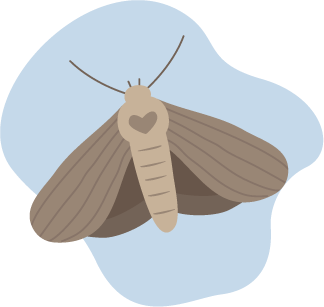
Clothing damage

Pantry moths
Moth infestation
Our way. The right way.
Investigate
We start with a careful survey of your home, checking wardrobes, drawers, carpets, rugs, lofts and food cupboards for signs of clothes moths or pantry moths, such as damage, webbing, larvae and adult moth activity.
Protect
Your Pestpatrol technician will apply targeted moth treatments in key areas, using professional insecticides and, where appropriate, pheromone traps to tackle both adult moths and larvae around textiles and stored food.
Fortify
We help prevent future problems by advising on better storage (such as sealed containers and garment bags), regular vacuuming and cleaning routines, and pointing out any cracks or gaps where moths may be entering or hiding.
Keep watch
We explain what to look out for, including new holes in clothing, fresh webbing in cupboards or moths flying at night, and ask you to contact Pestpatrol if you notice any new activity between visits so we can review the treatment.
Report
After each visit you receive a clear written report explaining what we found, what we have done and our recommendations to help keep your clothes, carpets and food cupboards protected from moths.
Follow up
Because moths have a life cycle that includes eggs, larvae and adults, more than one visit is often needed. We arrange follow up treatments where required and remain available if you have any immediate concerns.
Frequently asked questions
Moths do not bite or sting people, but clothes moths and pantry moths can still cause problems. Their larvae damage clothing, carpets and soft furnishings, and their droppings, webbing and cocoons can contaminate food and may trigger allergies or stomach upsets if infested products are eaten.
No, adult moths do not bite humans or pets. The issue is not their bite but the damage their larvae cause to natural fibres and stored food, which is why it is important to deal with an infestation quickly.
It is not the adult moths that eat your clothes, it is the larvae. Clothes moth larvae feed on natural fibres that contain keratin, such as wool, cashmere, fur and feathers, using them as a rich food source while they develop into adult moths.
The cost of moth control depends on whether you have clothes moths, pantry moths or both, how many rooms are affected and how much preparation and follow up is needed. Pestpatrol offers clear, tailored quotes for moth treatment in London, so the best way to get an accurate price is to contact us for a survey and no obligation estimate.
Many moths are active at night and are well adapted to low light, which is why they are often seen flying around lamps and windows. Indoor lights can attract them and help them find their way into wardrobes and food cupboards if gaps are left open.
Moths in UK homes are not considered poisonous to touch, but eating food heavily contaminated with moth larvae, droppings or webbing can cause upset stomachs and is unsafe. Any infested food should be thrown away and affected cupboards cleaned thoroughly.
Professional pest controllers such as Pestpatrol tackle both the adult moths and the hidden eggs and larvae. We use targeted insecticidal treatments, pheromone traps where appropriate and give clear advice on cleaning, vacuuming and storage so your clothes, carpets and food cupboards are properly protected against future moth problems.

What is Pestpatrol guarantee?
