
How to get rid of spiders
Most spiders found in London are harmless, but their sudden appearance in homes can be unsettling. The False Widow spider has become more common in recent years. For clients with a fear of spiders or frequent sightings, we offer humane control options.
Risks of spiders
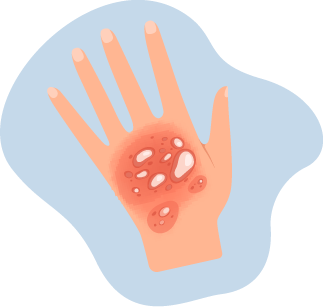
Spider bites
Fear of spiders
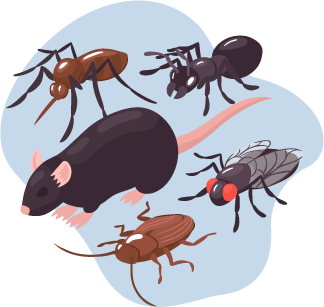
Spider infestations
Our way. The right way.
Investigate
We start with a thorough inspection of your home, inside and out, to look for spiders, webs, egg sacs, entry points and any conditions that are encouraging them to move in.
Protect
Your Pestpatrol technician will apply targeted spider treatments in key areas such as corners, ceilings, window frames, garages and outbuildings, and safely remove accessible webs and egg sacs.
Fortify
We help reduce future spider problems by pointing out gaps, cracks and other access points, and advising on sealing, repairs and housekeeping so your home is less attractive to spiders and the insects they feed on.
Keep watch
We explain what to look out for, such as new webs, egg sacs or repeated sightings in the same areas, and ask you to contact Pestpatrol if you notice activity returning so we can review and adjust the treatment if needed.
Report
After each visit you receive a clear written report explaining what we found, what we have done and any recommendations to help keep your home as spider free as possible.
Follow up
If required, we schedule follow up visits to check progress and top up treatments, and we are on hand between appointments if you have any immediate concerns.
Frequently asked questions
Most spiders you see in UK homes are not dangerous and prefer to avoid people, but any spider can bite if it feels trapped. Bites are usually mild, causing redness or itching, but if you have severe pain, swelling or feel unwell you should seek medical advice.
House spiders can bite if they are handled or pressed against the skin, but this is uncommon and usually only causes minor irritation. For many people the real problem is the fear and stress they cause rather than the bite itself.
Spiders are most noticeable in late summer and autumn when males are roaming indoors looking for mates, but you can see them all year round, especially in warm rooms, lofts, garages and sheds.
Professional pest controllers such as Pestpatrol focus on both spiders and the insects they feed on. We use targeted treatments around skirting boards, corners, window frames and other harbourages, remove webs and egg sacs where possible and advise on proofing and housekeeping to reduce future spider activity.
Globally, some species such as certain funnel web and widow spiders have highly potent venom, but they are not normally found in UK homes. Here, most spiders are considered low risk, although any worrying bite should be checked by a medical professional.
Spiders come indoors for food, shelter and warmth. Homes with lots of flying and crawling insects, cluttered corners, undisturbed lofts, garages and spare rooms are especially appealing to them.
You can help by vacuuming webs, clearing clutter, sealing gaps around doors and windows and reducing the insects they feed on by keeping lights off near open windows at night. For persistent problems or heavy spider activity, Pestpatrol can provide a tailored spider control treatment for your home.
The cost of professional spider control depends on the size of your property, how many rooms need treating and whether there are other pests to tackle at the same time. Pestpatrol offers clear, no obligation quotes in London, so the easiest way to get an exact price is to contact us for an inspection and estimate.